Why upgrade your engine?
That factory engine under your hood? It's a compromise. Engineers designed it to meet emissions standards, achieve fuel economy targets, and last 200,000 miles with minimal maintenance. Performance came fourth or fifth on their priority list. But you didn't buy your car to be average, and neither did the thousands of enthusiasts squeezing every last horsepower from their builds.
Engine upgrades transform your driving experience in ways suspension and cosmetic mods simply can't match.
Newer engines enhance acceleration, reduce emissions, and support advanced technologies. Engine upgrades are especially important for aging vehicles or when modifying performance for towing, racing, or off-road use.
Whether you're chasing quarter-mile times, carving canyons, or just want to embarrass that guy in the BMW at the stoplight, more power opens possibilities. The question isn't whether to upgrade, it's how far down the rabbit hole you're willing to go.
The role of engine mods in performance tuning
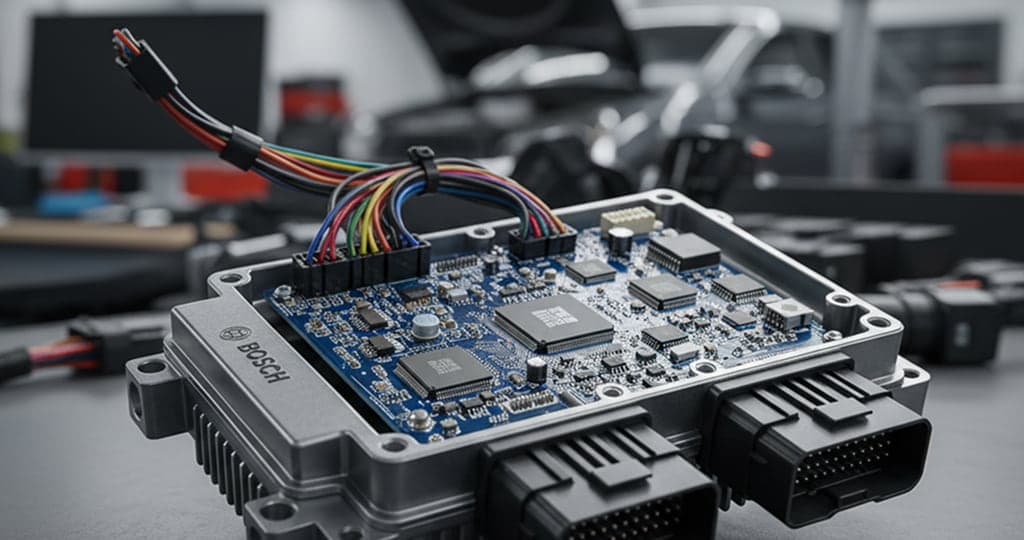
The role of engine mods in performance tuning involves improving various aspects of the engine to enhance power, torque, and efficiency. These modifications often include changes to the intake, exhaust, ECU, and internal components.
Modern engines leave surprising headroom for improvement. Manufacturers tune conservatively for warranty concerns and broad market appeal. This means your "sport" model probably has another 20-30% power hiding inside, waiting for the right modifications to unlock it. Even naturally aspirated engines respond well to breathing mods and proper tuning.
Performance vs reliability: striking the right balance
Here's the truth veterans learn the hard way: doubling your horsepower usually quarters your reliability. Every modification shifts the balance between performance and longevity. Smart builders understand this trade-off and plan accordingly.
The key lies in building for your actual usage, not YouTube fame. A 600-horsepower daily driver sounds awesome until you're stranded roadside for the third time this month. Meanwhile, that "boring" 300-horsepower setup runs flawlessly year after year while still providing plenty of smiles per gallon.
Types of engine upgrades
Types of engine upgrades include turbochargers, superchargers, ECU remapping, cold air intakes, performance exhausts, and internal component replacements like pistons and camshafts. Each upgrade targets specific performance gains such as increased horsepower, torque, fuel efficiency, or engine response.
Understanding each category helps you plan a build that matches your goals, budget, and mechanical confidence.
MotorMia's AI can analyze your build and show you proven upgrade paths, taking the guesswork out of compatibility and performance gains.